Ultimate Lean Bulk Guide: How to Calculate Calories and Macros for Lean Muscle Gain
Learn the science behind lean bulking with a 10-20% caloric surplus to gain muscle while minimizing fat. Step-by-step calculation guide included.

Understanding Lean Bulking
Lean bulking is a nutritional approach emphasizing a caloric surplus of 10-20% to gain muscle while minimizing fat accumulation. Unlike traditional bulking which uses a 25-30% caloric surplus, lean bulking provides a more controlled approach to building quality muscle mass.

The Four-Step Calculation Process
Step 1: Calculate Your Maintenance Calories
Your maintenance calories are the number of calories your body needs to maintain its current weight. A simple formula:
Body Weight (lbs) × 13 = Maintenance Calories
For a 200-lb individual: 200 × 13 = 2,600 calories
Step 2: Determine Your Protein Intake
Protein is essential for muscle growth and repair. Aim for:
0.8-1g of protein per pound of body weight
For a 200-lb individual: 160-200g of protein daily

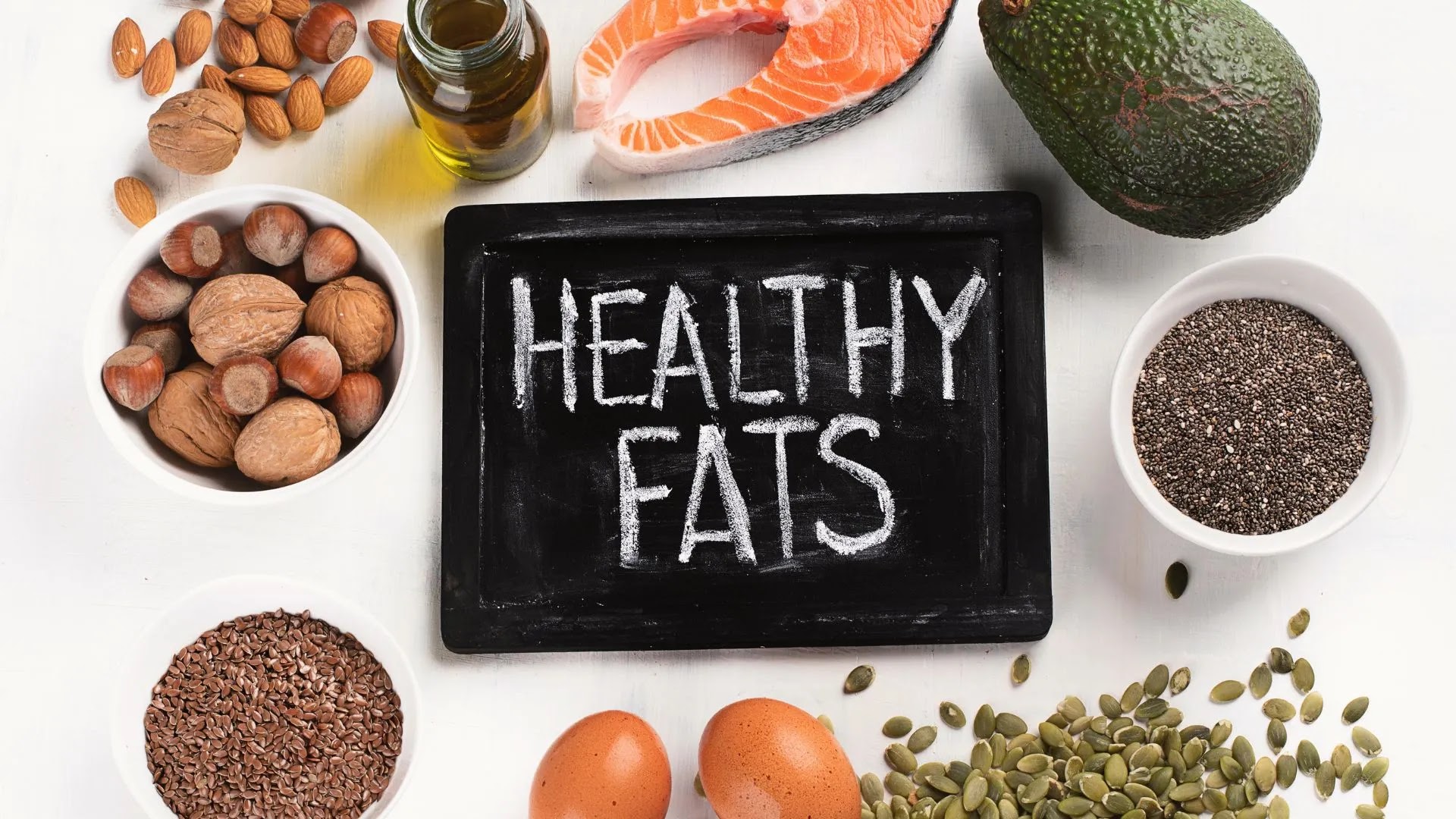
Step 3: Calculate Your Fat Intake
Healthy fats support hormone production and overall health. Target:
20-30% of total calories from fat
Fat has 9 calories per gram, so for a 3,300 calorie diet:
- 3,300 × 0.20 = 660 calories from fat
- 660 ÷ 9 = 73g of fat
Step 4: Fill the Rest with Carbohydrates
After accounting for protein and fat, the remaining calories come from carbohydrates:
Remaining Calories ÷ 4 = Carbohydrate Grams

Practical Example: 200-lb Individual
For someone weighing 200 pounds looking to lean bulk:
- Maintenance Calories: 2,600
- Lean Bulk Calories (20% surplus): 3,300
- Protein: 200g (800 calories)
- Fat: 73g (660 calories)
- Carbohydrates: 460g (1,840 calories)
Key Principles for Success
- Track your intake - Use an app like MyFitnessPal to ensure accuracy
- Weigh yourself weekly - Aim for 0.5-1lb gain per week
- Adjust as needed - If gaining too fast, reduce calories slightly
- Prioritize protein timing - Spread protein intake across 4-5 meals
- Stay consistent - Results come from sustained effort over time
Common Mistakes to Avoid
- Eating too much too fast - Leads to excessive fat gain
- Neglecting protein - Limits muscle growth potential
- Ignoring fiber - Important for digestion and overall health
- Skipping meals - Makes hitting calorie targets difficult
Conclusion
Lean bulking is a strategic approach to building muscle while keeping fat gain minimal. By following the four-step calculation process and staying consistent with your nutrition, you can achieve impressive gains without the excessive fat that comes with traditional bulking methods.
Ready to Transform Your Body?
Get personalized coaching from Doug and start your journey to a leaner, stronger you.
View Coaching Packages