How to Track Your Fitness Progress and Fulfill Your Goals
Simple, effective methods to track your fitness journey without overwhelming yourself. Learn what metrics matter and how to stay motivated.

Why Tracking Fitness Progress is Important
Monitoring your fitness journey serves multiple purposes:
- Measure improvements in strength, speed, and flexibility over time
- Maintain motivation by seeing tangible results from your efforts
- Adjust goals based on what’s actually working
- Stay aligned with your fitness path

Setting Realistic Fitness Goals
Before tracking anything, establish SMART goals:
- Specific
- Measurable
- Achievable
- Relevant
- Time-bound
Rather than vague aspirations like “getting fit,” create concrete targets:
“I will exercise 20 minutes, three times weekly, for one month.”
Clear objectives make progress monitoring straightforward and attainable.
Simple Methods to Track Your Fitness Progress
Weekly Photos
Take consistent progress pictures from front, side, and back angles at identical times each week using matching clothing and location.
Why it works: Visual records often prove more motivating than scale numbers alone. You’ll notice changes in muscle definition and body composition that the scale can’t capture.
Fitness Journal
Document workouts briefly after each session, noting:
- Exercise types
- Repetitions completed
- Weights used
- How you felt
This creates a clear progression record for identifying strength and endurance gains in minimal time.
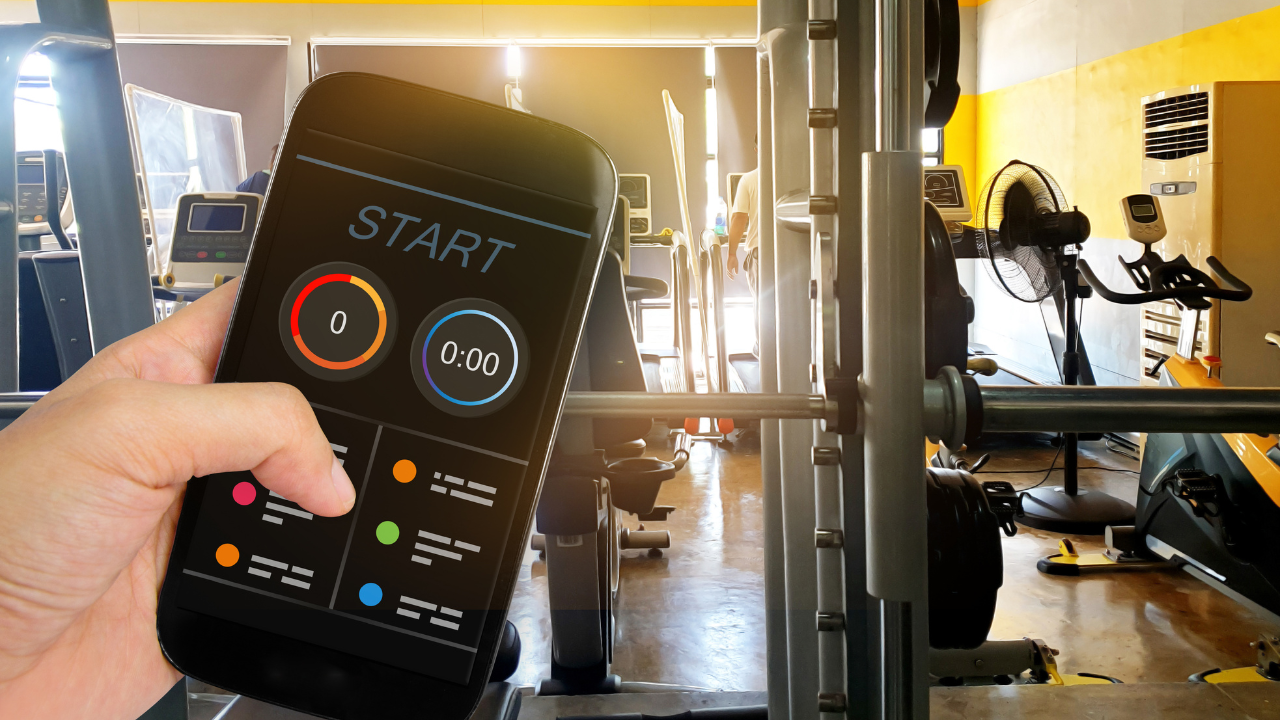
Fitness Apps
Applications like MyFitnessPal and Fitbit streamline:
- Logging workouts
- Tracking calories
- Monitoring weight and body measurements
These tools offer progress insights suitable for on-the-go tracking.
Monitor Key Metrics
Track strategically without overwhelming yourself:
- Body weight: Weekly weigh-ins (same time, same conditions)
- Waist circumference: Monthly measurements
- Body fat percentage: Monthly if possible
This snapshot approach prevents obsessive tracking while maintaining focus.
Track Strength and Endurance
Record specific performance metrics:
- Repetitions completed
- Weights lifted
- Cardio duration or distance
Noting improvements—more push-ups or longer running distances—provides real-time evidence of progress.

Staying Motivated with Minimal Time Commitment
Create Mini-Goals
Break larger objectives into smaller milestones. Instead of “lose 20 pounds,” focus on “lose 2 pounds this month.”
Celebrate Achievements
Reward yourself with new workout gear, a massage, or other non-food rewards when you hit milestones.
Find Accountability
Partner with friends or family for:
- Shared workouts
- Progress check-ins
- Mutual encouragement

Common Mistakes to Avoid
Inconsistent Tracking
Sporadic tracking undermines accuracy. Establish regular schedules for weigh-ins, measurements, and photos.
Comparing to Others
Your journey is unique. Different people progress at different rates based on genetics, lifestyle, and starting point.
Obsessing Over the Scale
Remember that progress extends beyond scale weight. Strength, endurance, energy levels, and overall wellness matter equally—sometimes more.
Ignoring How You Feel
Energy, mood, sleep quality, and confidence are all valid progress markers that numbers can’t capture.
Conclusion
Tracking doesn’t require complexity. Incorporate simple methods like weekly photos, journals, or metric monitoring to maintain motivation and achieve your goals.
Start modestly, remain consistent, and appreciate the journey itself. The best tracking system is one you’ll actually use—so find what works for you and stick with it.
Ready to Transform Your Body?
Get personalized coaching from Doug and start your journey to a leaner, stronger you.
View Coaching Packages