Meal Prep Will Empower Your Health and Life
Master the art of meal prepping to save time, eat healthier, and take control of your nutrition. A complete guide for busy professionals.

What is Meal Prepping?
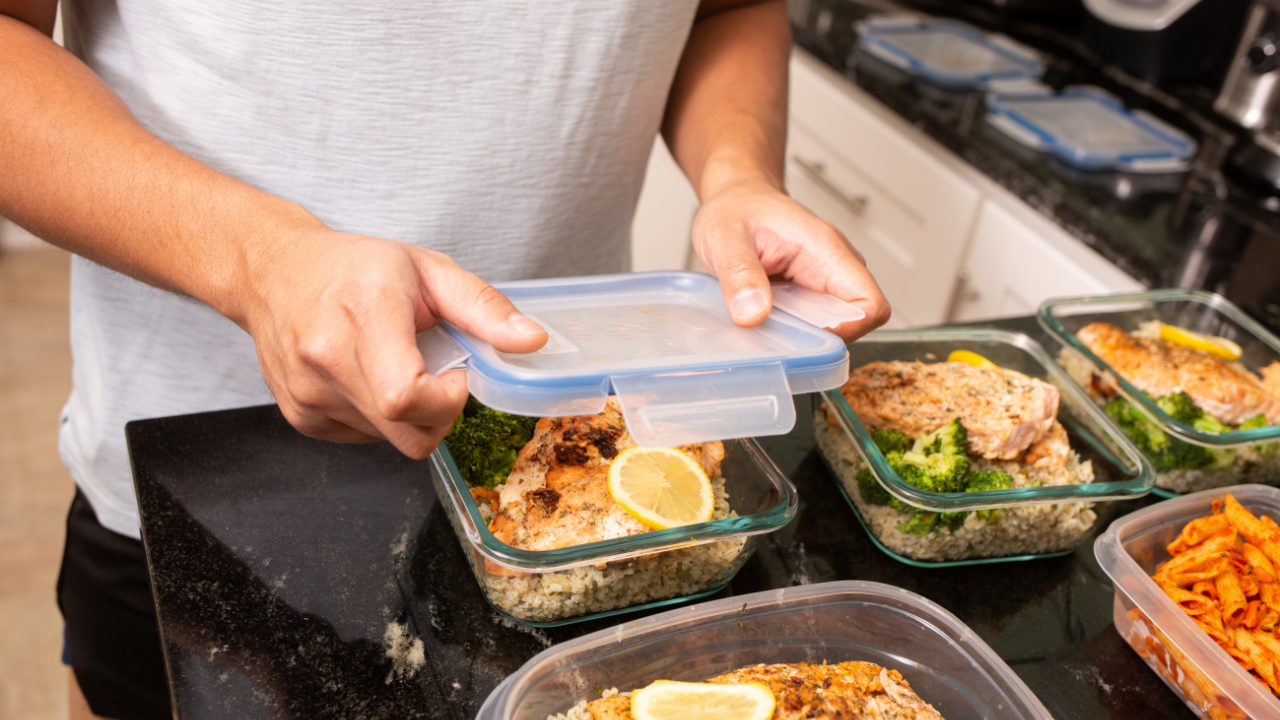
Meal prepping involves planning and preparing meals in advance, typically for the upcoming week. This could mean cooking complete meals and portioning them out or prepping ingredients to throw together quickly.
Different Approaches to Meal Prep
- Full meal prep: Cooking and portioning out complete meals
- Ingredient prep: Preparing ingredients that can be assembled into meals later
- Batch cooking: Making large quantities of a specific food to use in various meals
Benefits of Meal Prepping
1. Time-Saving
Meal prepping reduces daily cooking time, letting you spend more time on what matters most. Instead of cooking every day, you dedicate a few hours once or twice a week.
2. Healthier Eating
By preparing meals yourself, you control ingredients, ensuring balanced nutrition. No more guessing what’s in your food or relying on processed options.
3. Cost-Effective
Buying ingredients in bulk and reducing takeout saves significant money over time.
4. Reduced Stress
With meals ready to go, there’s no last-minute decision-making about what to eat.

Best Foods for Meal Prepping
Proteins
- Chicken breast
- Turkey
- Tofu
- Eggs
- Beans and legumes
Carbohydrates
- Brown rice
- Quinoa
- Sweet potatoes
- Whole-grain pasta
Vegetables
- Broccoli
- Carrots
- Bell peppers
- Zucchini
- Spinach
Snacks
- Nuts
- Fresh fruit
- Greek yogurt
- Hummus with veggies
Storage Tips
Meal-prepped food generally lasts 3-5 days in the refrigerator.
Best Practices:
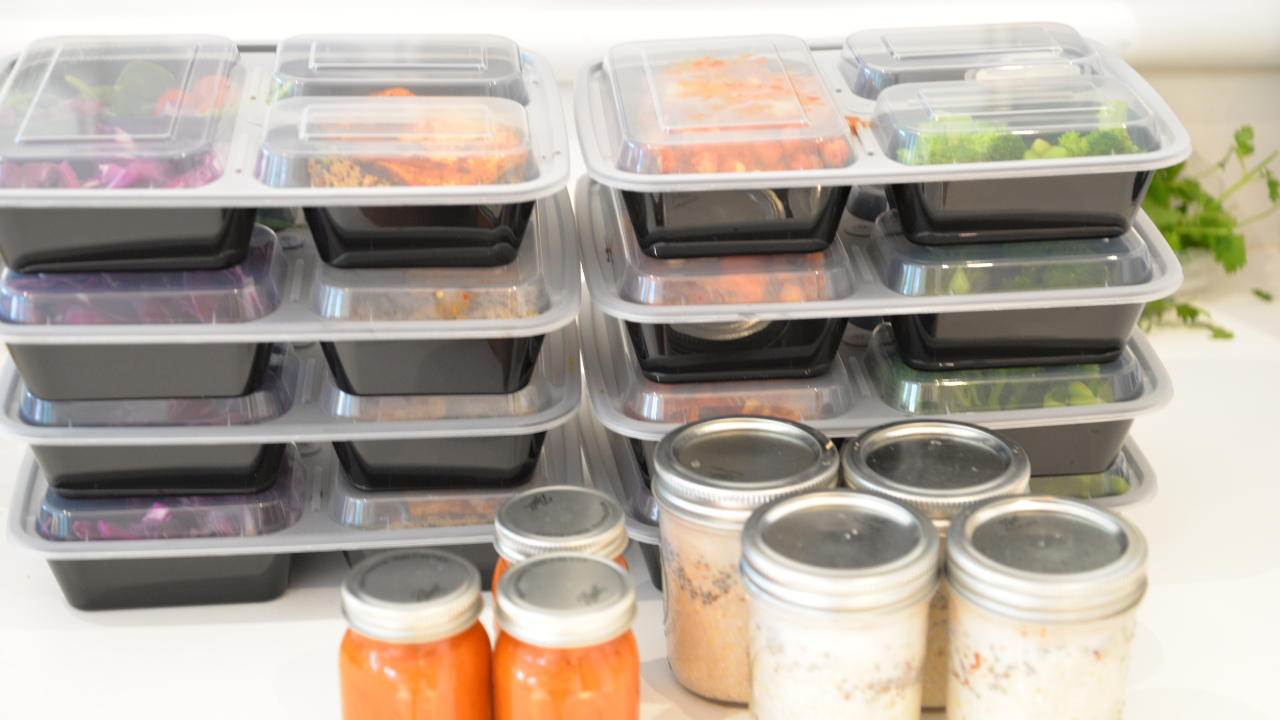
- Use airtight containers
- Label containers with dates
- Store sauces separately to prevent sogginess
- Refrigerate promptly after cooking
Step-by-Step Meal Prep Guide
Step 1: Plan Your Meals
Choose recipes with balanced protein, carbs, and vegetables. Consider variety to prevent boredom.
Step 2: Create Your Grocery List
Organize your list by store section for efficient shopping.
Step 3: Shop Strategically
Stick to your list to avoid impulse purchases and unnecessary spending.
Step 4: Prep Ingredients
Wash, chop, and portion ingredients. Cook proteins and grains in bulk.
Step 5: Portion Into Containers
Divide meals into individual servings for grab-and-go convenience.
Step 6: Reheat Properly
Follow safe reheating practices to maintain food quality and safety.
Common Mistakes to Avoid
- Overcomplicating recipes - Start simple and build complexity over time
- Lack of variety - Rotate recipes to prevent boredom
- Ignoring portion sizes - Measure portions to match your goals
- Not considering food safety - Follow proper storage and reheating guidelines
Budget-Friendly Tips
- Shop sales and plan meals around discounted items
- Buy grains and beans in bulk
- Choose seasonal produce for better prices
- Reduce takeout expenses—even one less restaurant meal per week adds up
Staying Consistent
- Establish a regular prep routine (Sunday afternoons work well for many)
- Experiment with new recipes and spices to keep things interesting
- Maintain backup meal plans for especially busy weeks
- Start small—even prepping just lunches makes a difference
Conclusion
Meal prepping is one of the most powerful tools for taking control of your nutrition. It saves time, money, and mental energy while helping you stay on track with your health goals. Start with one day of prepping per week and build from there.
Ready to Transform Your Body?
Get personalized coaching from Doug and start your journey to a leaner, stronger you.
View Coaching Packages